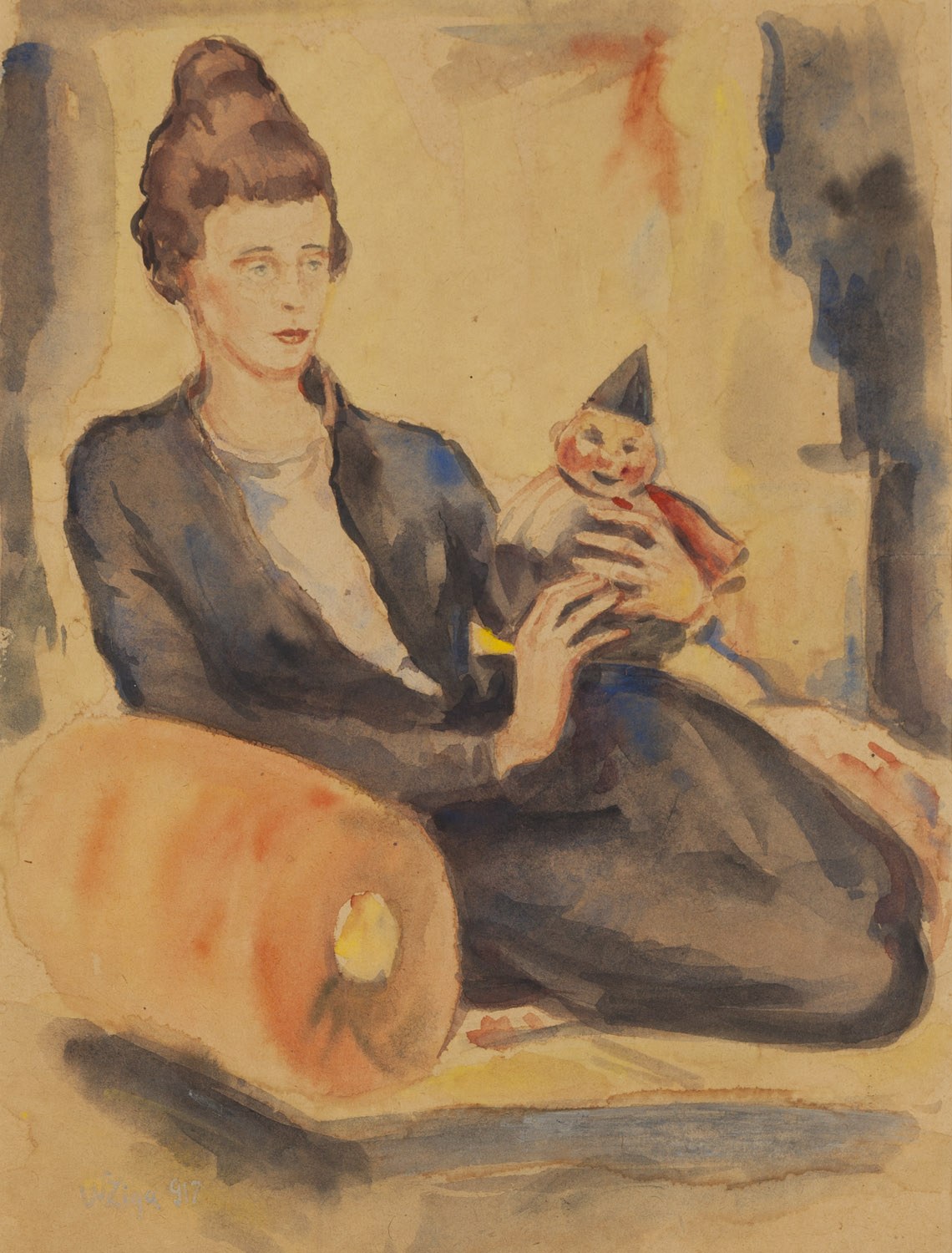
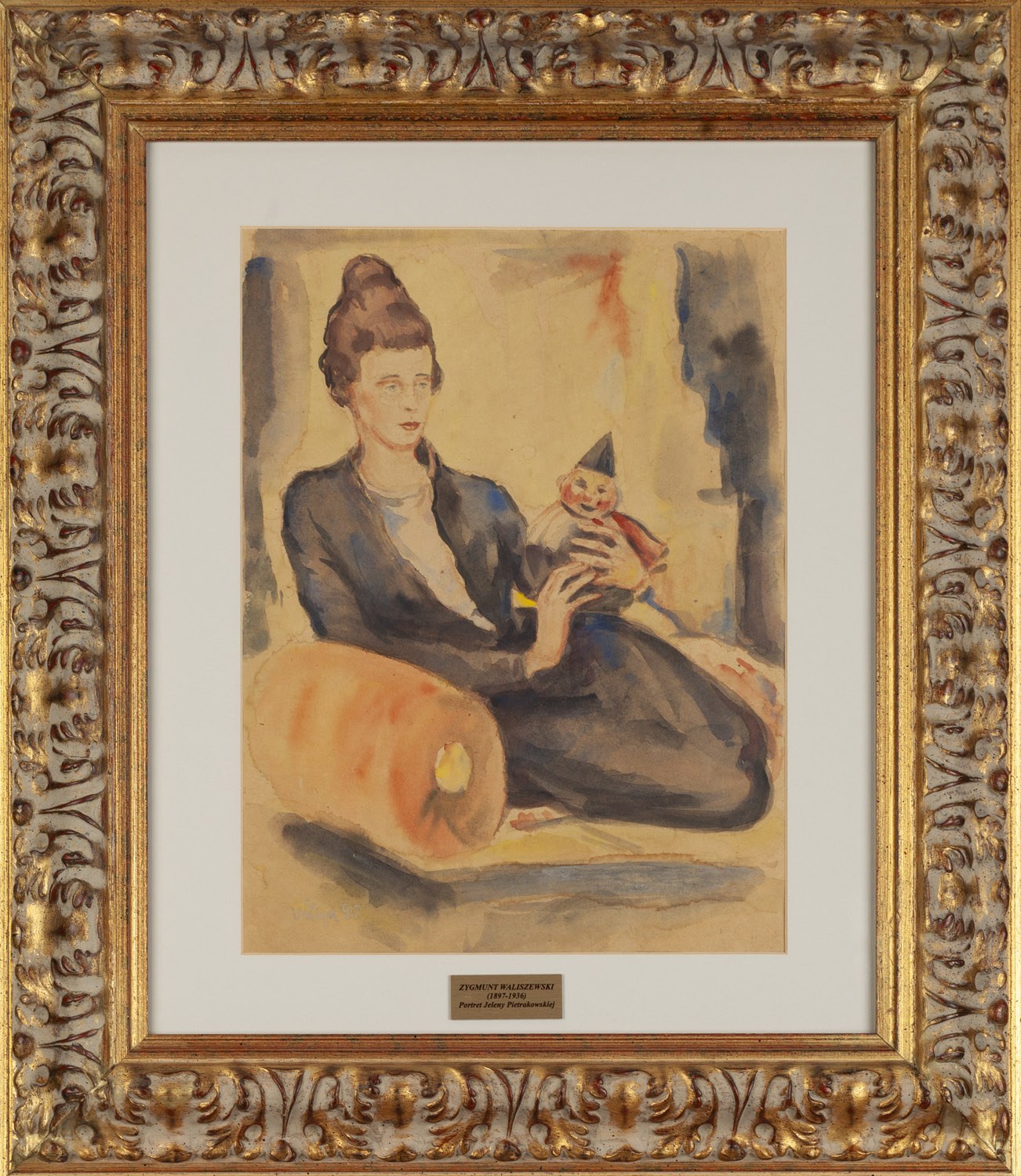
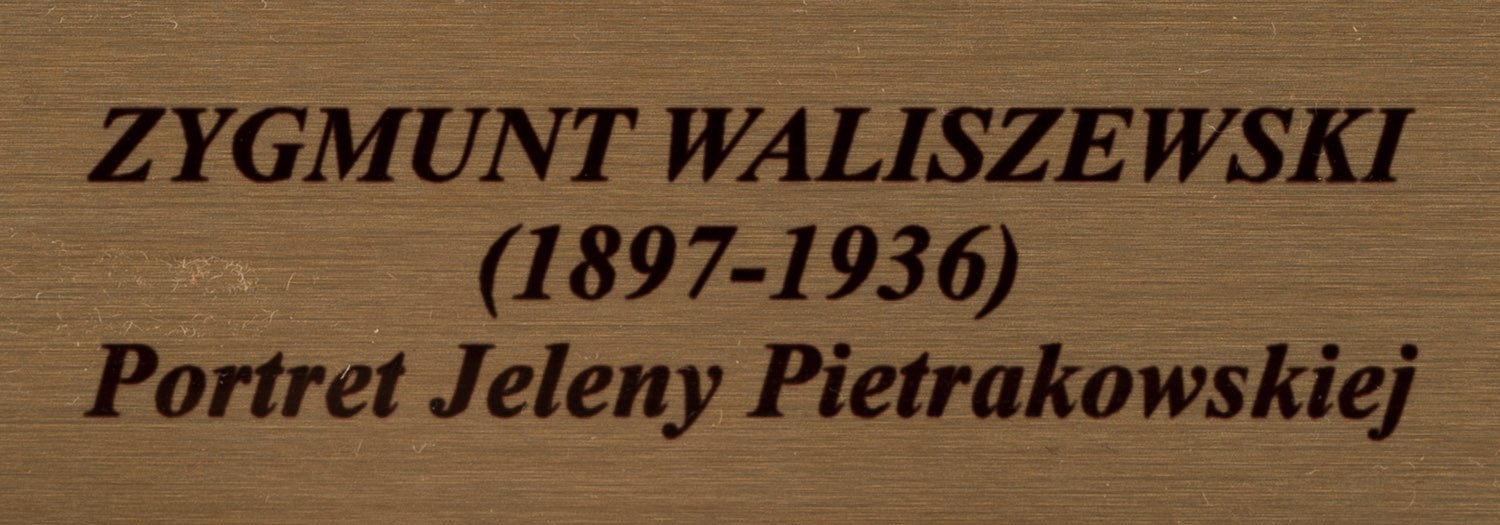
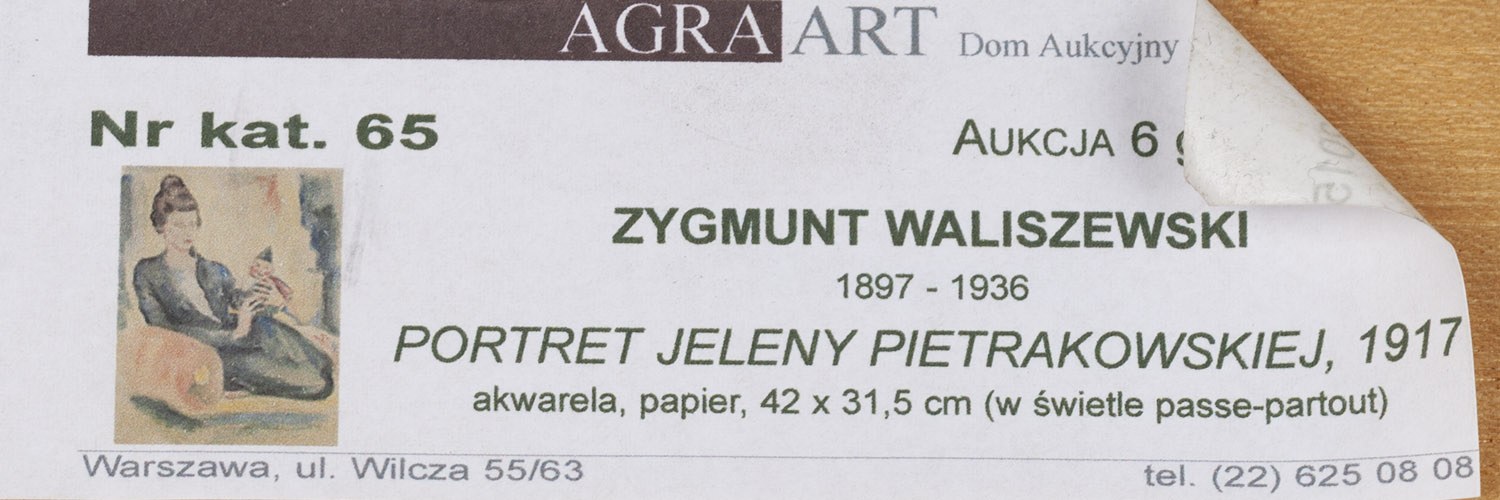
Dimensions: 42 x 31.5 cm (in light of passe-partout)
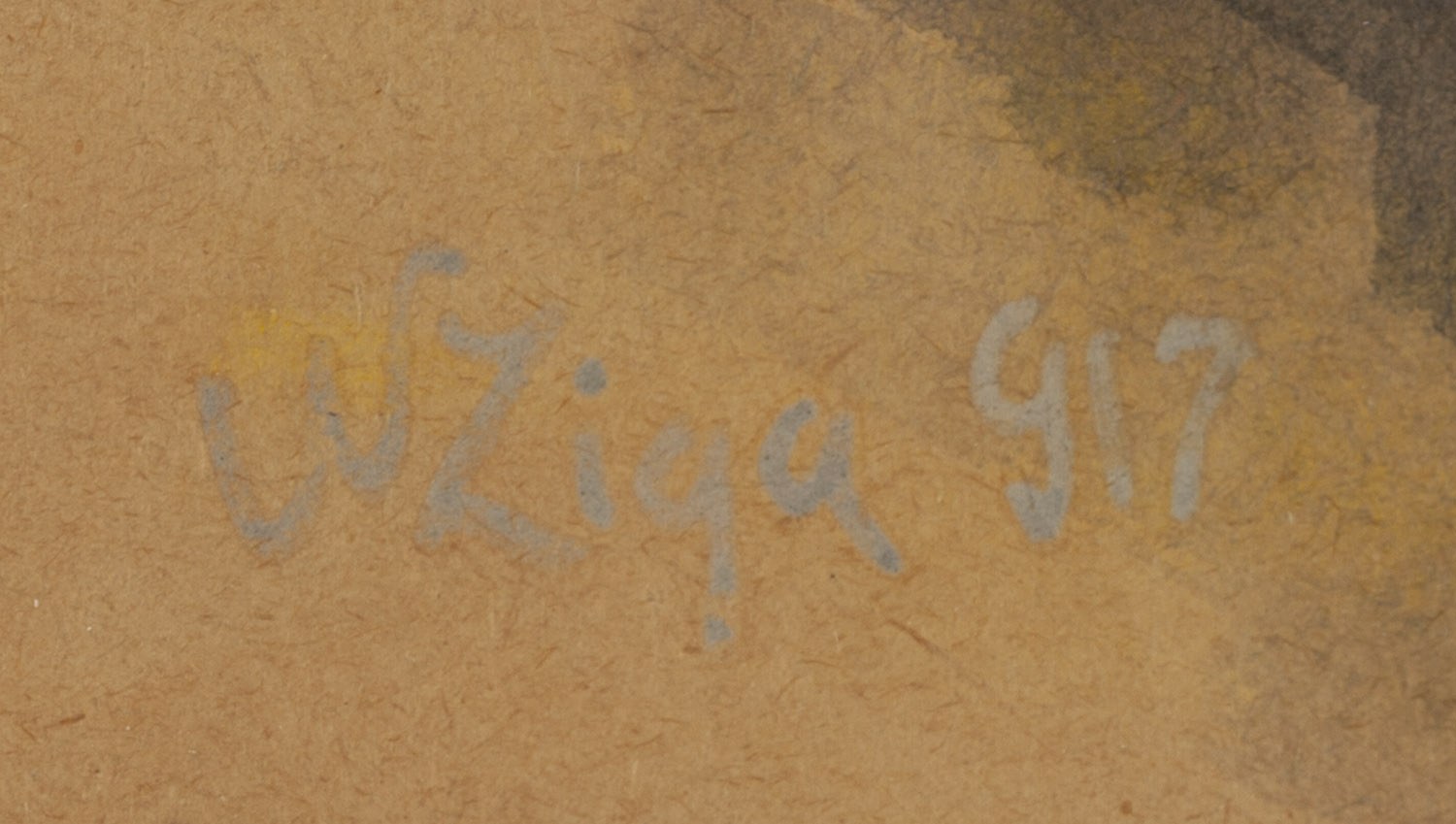
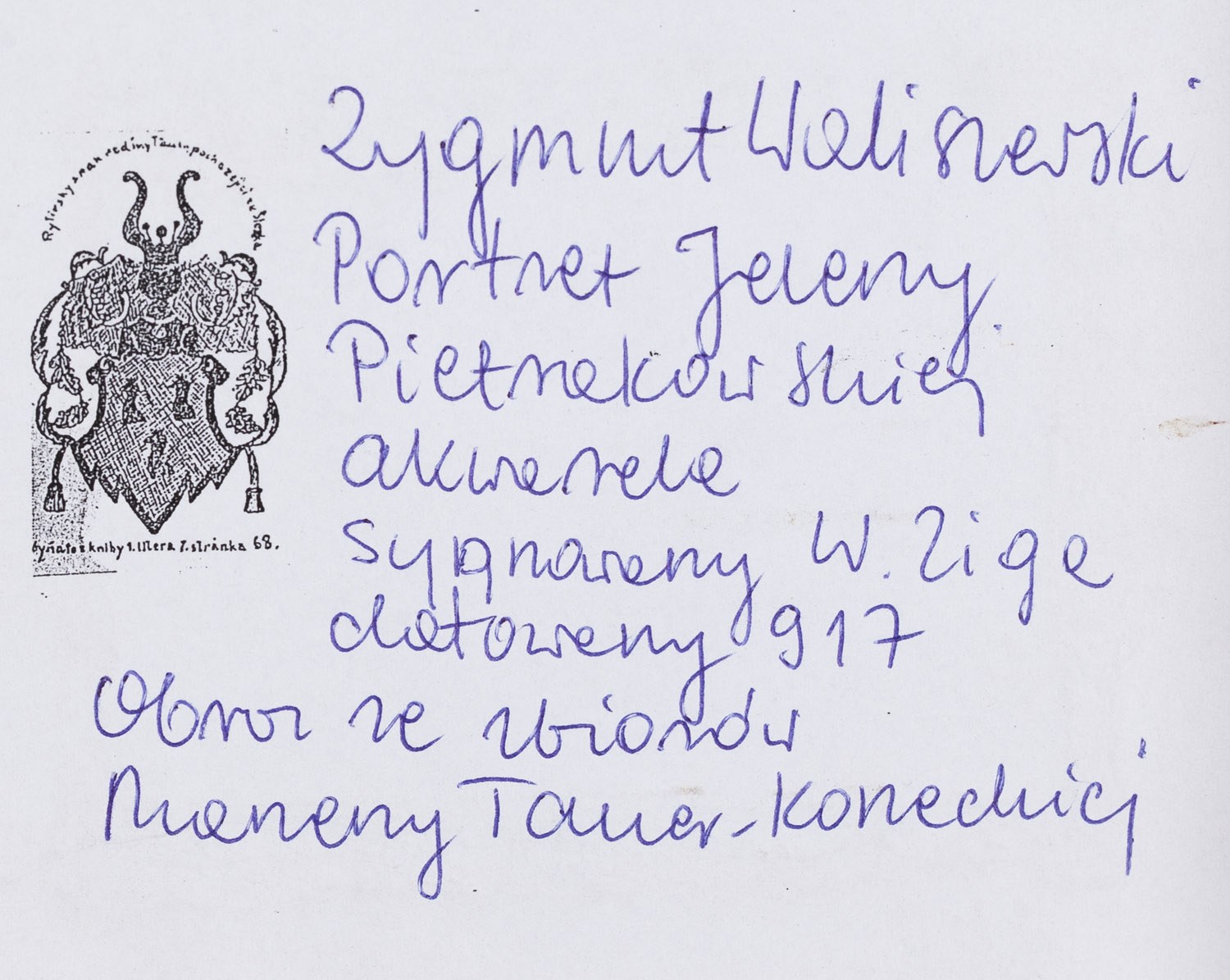
Signed and dated l.d.: 'W. Ziga 917'
Literature
compare:
Hanna Bartnicka-Górska, Anna Prugar-Myślik, Zygmunt Waliszewski 1897 1936 Painting and Drawing. Monographic exhibition. National Museum in Warsaw May-June 1999, Warsaw 1999, p. 146, cat. no. I/240, (ill.)
Jerzy Mróz, Artistic achievements of Poles in Georgia [in:] Stan badań nad wielokulturowym dziedzictwem dawnej Rzeczypospolitej, [ed. W.Walczak, K.Łopatecki], vol. I, Białystok 2010, pp. 128-129, il. s. 129
Biography
He spent his childhood in Georgia, in Tiflis (now Tbilisi), where he began studying drawing and painting under Nikolai Sklifasovsky. During World War I he fought in the ranks of the Russian army. He visited Moscow several times, where he became acquainted with art from the Mir Isskust circle and the great collections of French paintings by Sergei Shchukin and Ivan Morozov. He became involved with a group of Futurists, assimilating the norms of avant-garde art. At the end of 1920 he left for Poland by sea via Turkey and Greece; in 1921 he settled in Krakow. In 1921-24 he studied at the Cracow Academy of Fine Arts in the studios of Wojciech Weiss and Jozef Pankiewicz. In 1924 he went to Paris among the members of the Paris Committee to continue his painting studies under Pankiewicz. He participated in the first Capist exhibition at Galerie Zak in Paris (1930) and in a show at Galerie Moos in Geneva (1931). In 1931 he returned to Poland; he lived in Warsaw, Krzeszowice and Krakow. He presented his works in Warsaw, at the Polish Art Club and at the Salons of the Institute of Art Propaganda - in 1930, 1931, 1933, 1936). He also exhibited his paintings at the Society of Friends of Fine Arts in Lviv, Poznan and Lodz. In 1935-36 he created the decoration of the plafond in the Kurza Stopka in Wawel Castle. He was involved in stage design, designed posters, drew book illustrations, caricatures and grotesque scenes. He painted many views of Warsaw and Krakow; he was attracted to the art of portraiture and fascinated by nudes. Unlike other Capists, he was not afraid of descriptive drawing and literary narrative in painting. He composed fantastic scenes inspired by representations of dell'arte comedies, and developed the Don Quixote motif in many variations. With fine, broken brushstrokes, he painted flat, decorative compositions vibrating with pure colors, in which he synthesized figures and objects to outline.